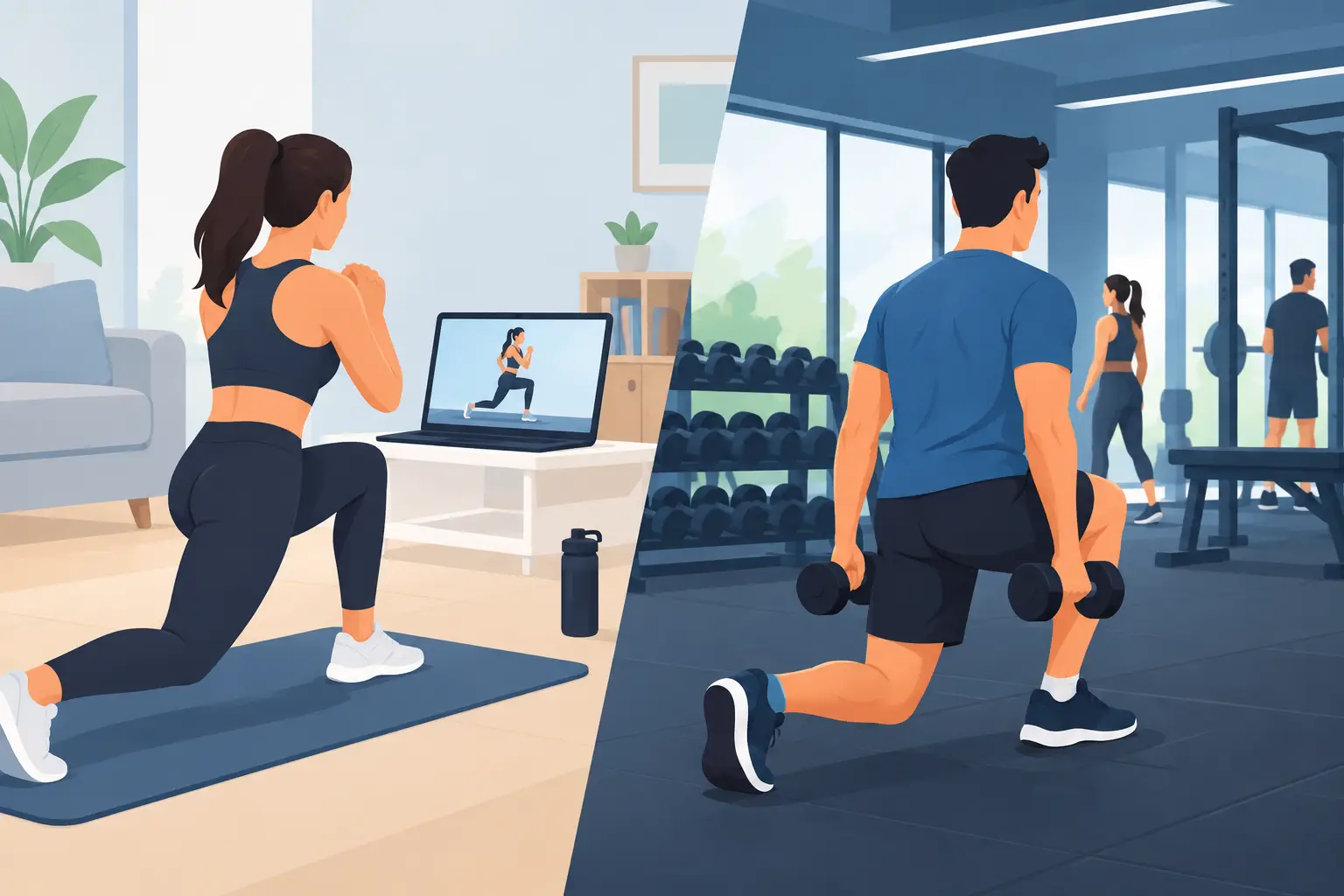
The gust hits, the boat heels and the sail starts asking for a trim change. You can learn to recognize that sequence at a club, with water, wind and an instructor close by, or you can repeat it on screen until you understand what each control does. In the debate over browser training versus the club, the answer isn't to pick a side for good: it's knowing what each environment teaches best and at which point it speeds up your progress.
For anyone who has never stepped aboard a sailboat, the browser lowers the barrier that tends to postpone the first experience. For those who already spend time on the race course, it adds more hours of decision-making between one sail and the next. Jump into the virtual water, botch a tack, watch the boat lose speed and try again. Then take that understanding out onto real water.
Browser training vs. the club in practice
The club delivers an experience no screen can fully reproduce. There is the motion of the hull, the cold of the water, the communication with the crew, the boat traffic and the pressure of pulling off a maneuver at the right moment. You also learn to rig the boat, run safety checks, handle lines and feel the wind on your face. Sailing is technique, but it is also body, attention and environment.
Browser training, on the other hand, lets you focus your practice on one specific question: what happens if I trim in the mainsail now? In a few minutes you can test headings, ease the genoa, feel how the rudder responds and compare results without depending on travel, the wind forecast, boat availability or class schedules. That repetition has real value for building your repertoire.
The key difference lies in the type of feedback. At the club, feedback comes from the physical world and can arrive all at once: the boat heels, the bow slams into a wave, someone calls your attention to the mark and the sail gives a visual signal that is hard to interpret when you are just starting out. In a well-built simulation, cause and effect are clearer. You change one setting and see the speed, the heading and the boat's reaction.
That doesn't make the screen a substitute for the club. It makes the browser a space for deliberate practice, where every mistake costs only a few seconds and another attempt.
What the club teaches that requires real water
In-person sailing builds essential practical skills. Getting on and off the boat, wearing a life jacket, knowing safety procedures, working as a team and respecting local conditions are lessons that require contact with the boat and with experienced people. A real gust is not just a number or a visual change: it affects your balance, your confidence and communication on board.
The club also teaches you to read the scene. On the Guaíba River, for example, noticing the clouds, the dark patches on the water, the traffic and the wind shifts is part of sailing. In an in-person race, the distance to the start line, right of way and the position of your opponents take on a spatial dimension that calls for continuous practice.
There is also a social component that is hard to measure. Chatting on the dock, watching another crew trim their sails and hearing an explanation after a race can greatly shorten the path for someone who is learning. A good instructor notices details the student didn't even know to look for, such as body position in the boat or the moment when the rudder is being overused.
That's why, if the goal is to handle a real boat with independence and safety, the club is not optional. It is the environment where technique, responsibility and experience come together.
What the browser speeds up before your next sail
Now think of a class that takes place once a week. Between one session and the next, concepts such as apparent wind, the no-go zone or genoa trim can remain abstract. The browser fills that gap with accessible practice. You don't have to wait until next Saturday to confirm that pointing too high can make the boat lose pressure in the sail and speed.
A useful sailing simulation shouldn't be just a boat moving over a picture of water. It needs to show the consequences of sailing: steady wind and gusts, wind shifts, hull heel, rudder response and sail trim. When the mainsail and genoa are working at the right angle to the wind, the boat accelerates. When you ease or trim in without a clear reason, performance changes. That is how nautical vocabulary stops being a list of terms and becomes a feel for the helm.
VelejAÍ was built for this kind of exploration. Instead of memorizing a definition before trying, you trim, change heading and follow the boat's reaction right in the browser. It works on phone, tablet or computer, with no installation, and gives you room to train solo or race against friends.
For beginners, the gain is familiarity. In a first in-person lesson, commands such as point up, bear away, tack and jibe can come too fast. Those who have already tried these actions in a simulation are better at recognizing what is happening. It doesn't eliminate the natural nerves of a first outing, but it reduces the feeling of starting from scratch.
For experienced sailors, the gain tends to be strategic. A race against bots or live opponents lets you test a start, identify when it pays to protect one side of the course and see how a heading decision affects the distance to the next mark. There is no wear on equipment and no time lost rigging the boat. There are more attempts at the same idea.
Cost, access and frequency change how you learn
The club involves infrastructure and, often, costs that make sense given the experience on offer: maintenance, boat, instruction, space and safety. Even so, these demands can keep away people who are curious about sailing but can't commit to an in-person routine right away. Living far from a sailing venue, depending on transportation or having an unpredictable schedule also weighs in.
The browser solves another part of the problem: frequency. Ten minutes of training before work, a quick race during a break or a rematch at night add up to a lot of decisions. And sailing improves greatly once your brain starts anticipating consequences. If the wind shifts, which tack gains value? If the gust builds, is it time to correct your heading, ease the sail or brace your body? The answer needs to become a habit.
But accessibility doesn't mean all digital training has the same effect. Pressing buttons without watching the wind, the sail angle and the speed teaches very little. The best use is intentional: pick one skill per session, repeat similar situations and notice what changed when you adjusted just one element.
How to combine the two without wasting time
The most efficient combination begins before the lesson or the outing. In the browser, practice the relationship between heading and trim. Sail a few short courses and notice where the boat accelerates, when the sail starts to luff and how the rudder influences direction. Arrive at the club with a concrete question, not just a vague wish to sail better.
After your time on the water, use the simulation to review. If a tack went wrong, try to rebuild the situation. Were you slow to switch tacks? Did you go in without speed? Did you over-trim the sail? It won't always be possible to copy the real conditions precisely, but the exercise organizes the experience and helps you separate what was wind, what was timing and what was trim.
In racing, the bridge gets even more interesting. Practice starts in the browser to develop a sense of positioning and acceleration. At the club, apply it while accounting for waves, current, real opponents and right-of-way rules. The screen prepares your decisions; the water tests your execution under pressure.
So, which is better for you?
If you want to feel sailing for the first time, learn safety and handle a real boat, seek out the in-person experience when you can. If you want to start now, with no entry cost and no waiting on a schedule, the browser is an open door. If you already sail, don't treat the simulation as a lesser pastime: treat it as a race course that is available when the wind, the boat or the weather won't cooperate.
The best progress doesn't come from choosing between screen and dock. It comes from observing more, repeating with purpose and arriving at your next sail with a decision to test. Trim the sails, follow the boat's response and let each attempt prepare you for the next gust.